The beginnings of pearl culture and the industrialization of pearls

Dive into Mikimoto's world
The ancestral fascination with the pearl
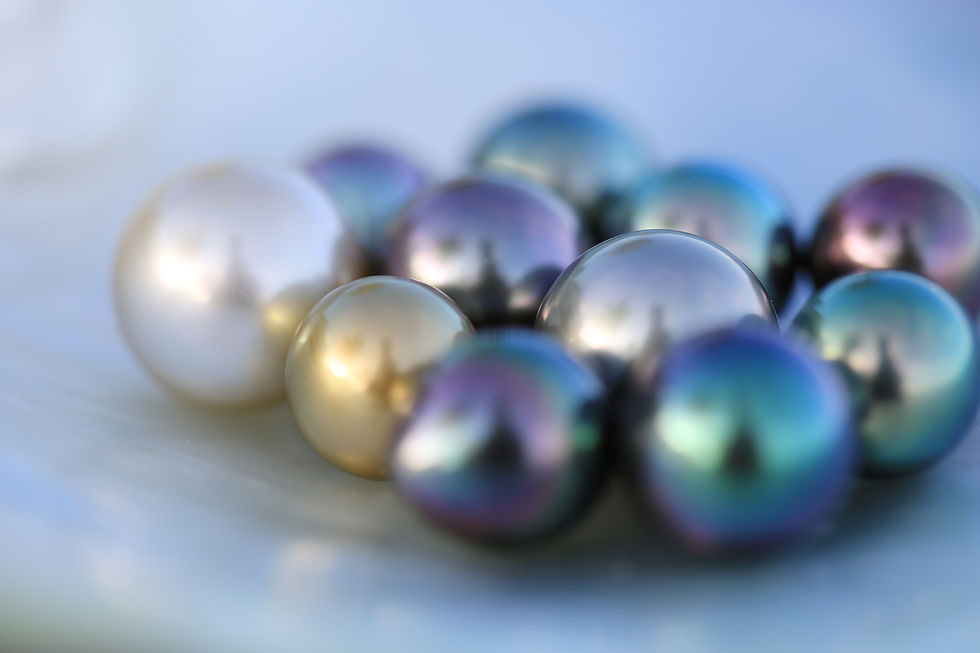
Since prehistoric times, pearls have held a genuine fascination. Their rarity, unique brilliance, and mysterious origins make them a precious object, carrying powerful symbols. In many cultures, they embody purity, royalty, wealth, and even the sacred, often associated with myths and rituals.
The transition to human mastery
Beginning in the 18th century, technological advances allowed humans to master pearl formation. By cultivating oysters and controlling their environment, they transformed the pearl from a rare natural treasure into a mass-produced product. This development paved the way for a burgeoning pearl industry, affecting jewelry as well as other sectors.
Mother-of-pearl, a multifunctional material
Alongside pearls, mother-of-pearl extracted from shells is captivating for its iridescent beauty and strength. This material is used to create buttons, fashion accessories, musical instruments, and even art objects. Thus, mother-of-pearl becomes a link between nature and industry, embodying a new form of artisanal and industrial know-how.
China: the beginnings of pearl culture

Grafting and mabés
As early as the 13th century, Chinese artisans developed a technique called grafting, which involved inserting small figurines, often Buddhas, or grains of organic matter into freshwater oysters. Covered with mother-of-pearl, these objects form mabés, half-pearls highly prized as jewelry or lucky charms, reflecting a subtle art blending aesthetics and spirituality.
Traditional harvesting techniques
Chinese fishermen dive into rivers and lakes using woven bamboo baskets, nets, and lightweight boats. These techniques, passed down from generation to generation, allow them to harvest oysters without damaging ecosystems, demonstrating harmony between man and nature.
Heritage and innovation
This ancestral know-how directly inspired Mikimoto in Japan, who revolutionized pearl farming by creating round pearls cultivated from an artificial nucleus inserted into the oyster. Today, China is perpetuating this age-old tradition while modernizing its techniques, becoming the world's leading producer of cultured pearls and a key player in the global market.
Buttonmania: the craze for mother-of-pearl buttons at the end of the 19th century
Native American origins
Before industrialization, Native Americans used freshwater pearls in jewelry and ritual objects, expressing a deep connection with nature and rich cultural symbolism.
Industrial growth in Muscatine
At the end of the 19th century, John Boepple, a German craftsman living in the United States, discovered that the mother-of-pearl from Mississippi mussels was ideal for making lightweight, strong, and shiny buttons. In 1887, he founded a factory in Muscatine, Iowa, which became the mother-of-pearl button capital of the world, producing millions of buttons each year for American and European fashion.

Mussel fishing
Fishermen, called clammers , use specific tools such as the "crowfoot," a type of grappling hook, to harvest mussels from the riverbed. This seasonal activity punctuates the economic life of riverside communities, creating a veritable industrial ecosystem around mother-of-pearl.
Decline and legacy
Overexploitation of mussels, combined with increasing pollution, is causing a rapid decline in populations. Despite the arrival of plastic in the 20th century, mother-of-pearl buttons continue to be made in regions like Méru, France, where this craft remains a symbol of expertise and tradition.


Comments